pharmaceutical machineries, packing materials and


pcr zu hause.
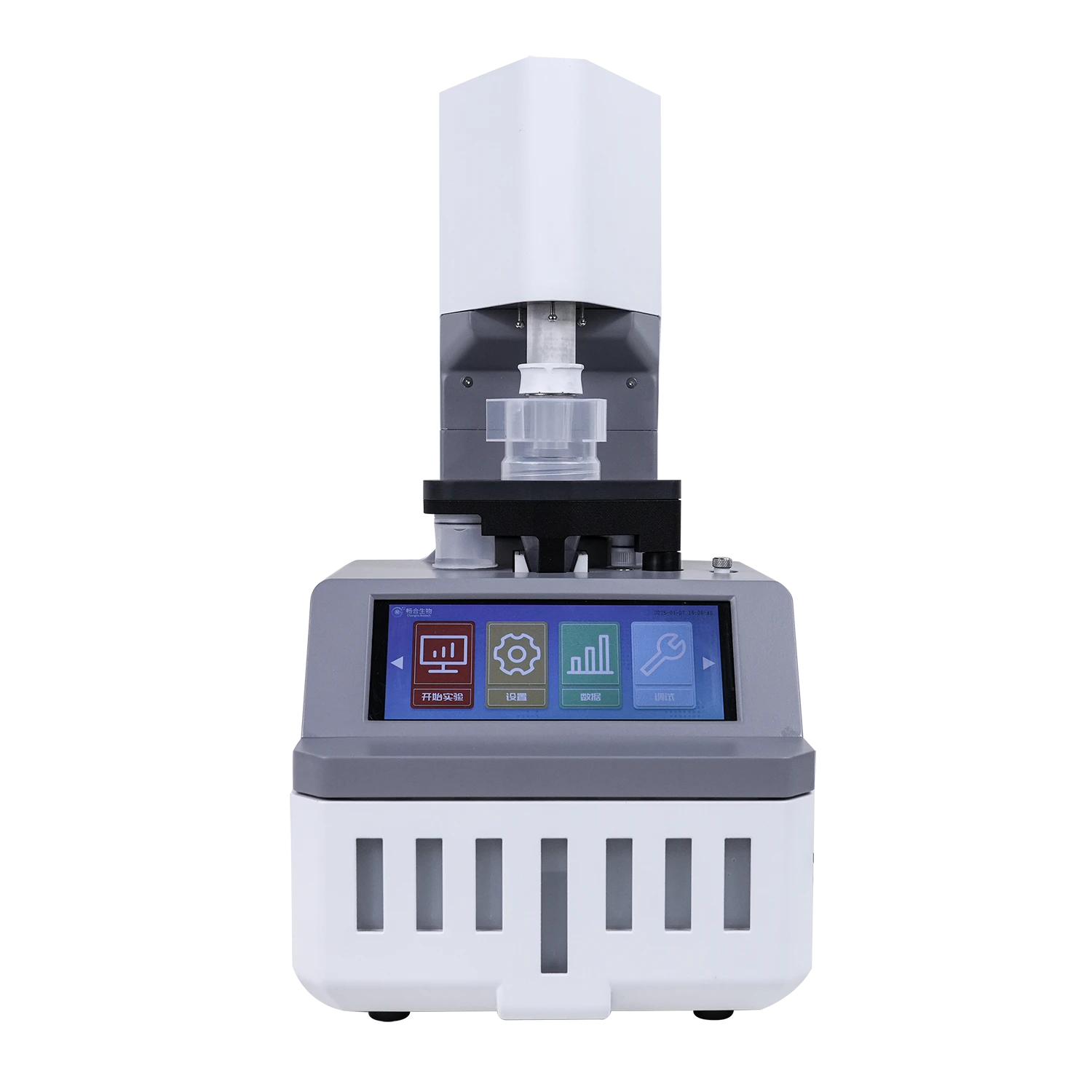
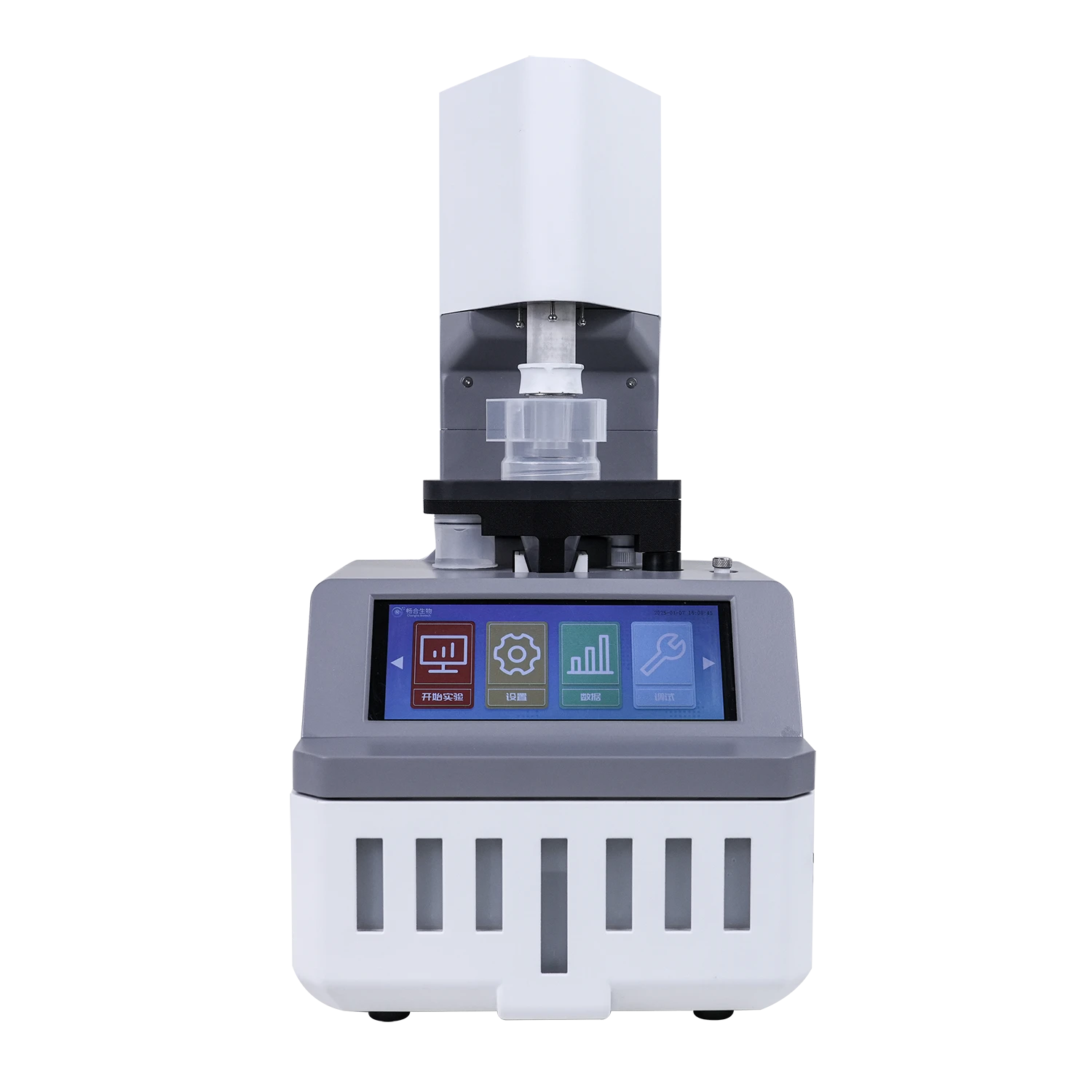
PCR panels for cats, minus the hype: what actually works in busy clinics If you’ve ever tried to triage a room full of sneezy kittens on a Monday morning, you already know why a pcr panel for cats that runs fast, accurately, and without a fussy workflow has become the quiet hero of feline medicine. To be honest, the industry has been moving away from bench-bound thermocyclers toward portable isothermal instruments you can plunk down next to the centrifuge. That’s where the HF-8T Mini PCR (aka “Mini PCR”) from Shanghai (FLOOR 7, NO.1588 HUHANG ROAD, CHINA) has been getting attention. Industry snapshot Two big trends: isothermal chemistries (LAMP, RPA, LAMP-CRISPR) and Bluetooth-connected analyzers that stream fluorescence curves to a phone or tablet. In fact, many customers say the wins are simple—fewer send-outs, less transport lag, faster isolation of FPV or FHV-1 cases, and clearer discharge decisions for shelters. What the Mini PCR is (and isn’t) The HF-8T Mini PCR is an isothermal fluorescent reader with a high-precision mini optical module and tight temperature control. It supports LAMP, RPA, and CRISPR hybrids, and it talks to your device via Bluetooth for real-time traces. It’s not a full 96-well qPCR block—fair—but for routine pcr panel for cats targets, the speed-to-answer is genuinely useful. Key specifications (≈, real-world use may vary) Model HF-8T Mini PCR (“Mini PCR”) Capacity ≈8 samples/run (small-batch triage) Chemistries LAMP, RPA, LAMP-CRISPR, RPA-CRISPR, LAMP-PfAgo Optics Miniaturized fluorescence sensing (single-channel typical) Temperature control Accurate isothermal setpoint; typical LAMP 60–67 °C Connectivity Bluetooth module; real-time curve viewing Reagents Compatible with liquid and lyophilized mixes Service life Clinic norm ≈3–5 years or 10k+ run hours (usage-dependent) Process flow (how a pragmatic pcr panel for cats gets done) Materials: sterile swabs; VTM or PBS; quick extraction (heat lysis or magnetic beads); LAMP/RPA master mix; feline panel primers/probes (e.g., FHV-1, FCV, FPV; optionally Mycoplasma felis, Chlamydophila felis; GI add-ons like Tritrichomonas foetus). Method: swab → 5–10 min lysis → add to master mix → load 8 positions → isothermal run 20–35 min → interpret amplification curve/Ct-equivalent or time-to-positivity. QC: positive control, no-template control, internal amplification control; follow MIQE-style documentation and OIE guidance. Testing standards to consult: MIQE reporting, ISO/IEC 17025 for lab competence, CLSI MM19-type guidance, OIE Manual for pathogen-specific methods. Industries: first-opinion clinics, ER, shelters, mobile/rescue, small reference labs, breeders. Vendor landscape (quick compare) Vendor / Device Modality Throughput Portability Notes Mini PCR (HF-8T) Isothermal fluorescence ≈8 samples Handheld/benchtop Bluetooth; lyophilized-compatible; budget-friendly Generic qPCR Mini qPCR (multi-channel) 16–24 wells Portable Higher specificity; slower; pricier Field Isothermal Reader LAMP single-channel 4–8 samples Ultra-portable Battery options; limited analytics Application scenarios and benefits Respiratory triage: on-arrival panels in shelters reduce cross-infection risk by earlier isolation. GI outbreaks: rapid FPV/T. foetus rule-in/rule-out guides cohorting, not just empirics. Field work: mobile spay/neuter vans or outreach clinics—small footprint, fast answers. Advantages: fast turnaround, minimal infrastructure, and compatibility with lyophilized reagents (no cold-chain panic). Limitations: single-channel optics can constrain multiplexing; rigorous controls are non‑negotiable to avoid false positives. Customization and validation Labs often customize primer sets for local strains (e.g., FCV variants). Reasonable asks: bespoke primer/probe kits, private-label housings, firmware options for multi-temperature steps. Validate against a reference qPCR method, document LoD (typical LAMP literature reports 10–100 copies/reaction), and verify inclusivity/exclusivity using CLSI-style protocols. Real-world feedback and (composite) case notes Clinics tell us they cut send-outs and shaved triage time to ≈30–45 minutes door-to-result. One composite shelter example: switching to a Mini PCR-based pcr panel for cats on intake reduced respiratory isolation days and antibiotic overuse—small changes, big impact. Regulatory and QA checkpoints Prefer suppliers manufacturing under ISO 13485 or ISO 9001; labs operating under ISO/IEC 17025 or 15189. Adopt MIQE reporting practices; reference OIE/WOAH pathogen chapters for confirmatory methods. Keep batch records, control charts, and a contamination-prevention SOP (separate pre/post areas). Citations Bustin SA et al. The MIQE Guidelines: Minimum Information for Publication of Quantitative Real-Time PCR Experiments. Clin Chem. 2009. WOAH (OIE). Manual of Diagnostic Tests and Vaccines for Terrestrial Animals. Current edition. CLSI. MM19 and related molecular diagnostics guidance (performance characteristics for nucleic acid assays). Notomi T et al. Loop-mediated isothermal amplification of DNA. Nucleic Acids Res. 2000.
Our newsletters, the latest information about our products, news and special offers.
Click for manual-
 personnel
The company introduces a large number of talents, researches projects and is responsible for customers
-
Research
Professional research project team for different customer needs
-
technology
New technology transformation mode,research high quality products


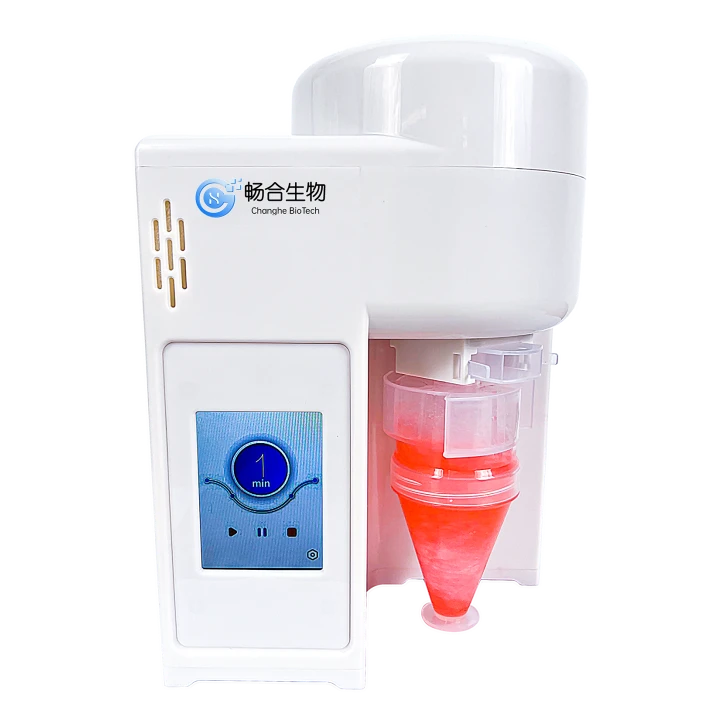
The application prospect of bioaerosol sampler will further grow.